Flawless jade cabochons are exceptionally rare due to natural inclusions and fractures formed during high-pressure geological processes over millions of years. Perfect specimens are uncommon because the polishing process can reveal hidden flaws, while market demand for top-quality pieces further amplifies scarcity. Authentic flawlessness requires ideal mineral conditions from formation through craftsmanship.
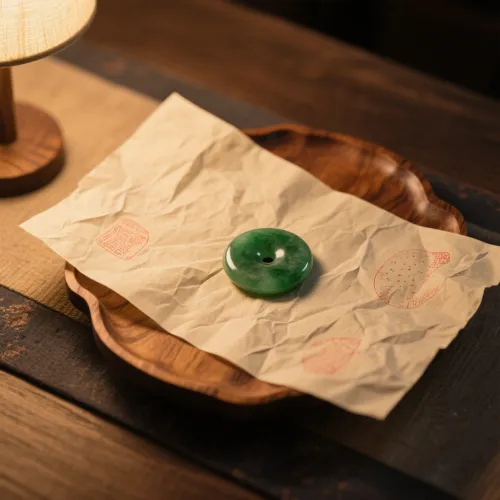
Imagine browsing an online auction, drawn to a "flawless" jade cabochon but hesitating because you can't feel its surface texture. Or consider inheriting a family heirloom, only to have a dealer remark how rare it is to find jade without micro-fractures. These everyday moments reveal why understanding jade's imperfections matters—not as defects, but as geological fingerprints. This article unpacks that complexity through a practical checklist, transforming scattered insights into actionable knowledge you can use whether you're examining stones in daylight or comparing auction listings. Rather than overwhelming detail, we'll focus on what truly separates the exceptionally rare from the merely photogenic.
This foundation explains why perfection requires geological miracles. Picture jade forming under mountain ranges over eons—its character shaped by immense pressure collisions.
Nephrite and jadeite develop differently at the molecular level. Jadeite forms through high-pressure metamorphic events near tectonic plate boundaries, while nephrite results from magnesium-rich rock alterations. This affects fracture patterns: Jadeite's interlocking crystals make it denser yet brittle, whereas nephrite's fibrous structure creates a "greasy" luster but more internal veining. Both accumulate inclusions like chromite or iron oxides during formation—nature's signature impossible to erase.
When rock layers collide under immense pressure during formation, fractures and mineral intrusions become inevitable. Over centuries, these features create distinctive veining that can weaken structural integrity. Observing under light helps:
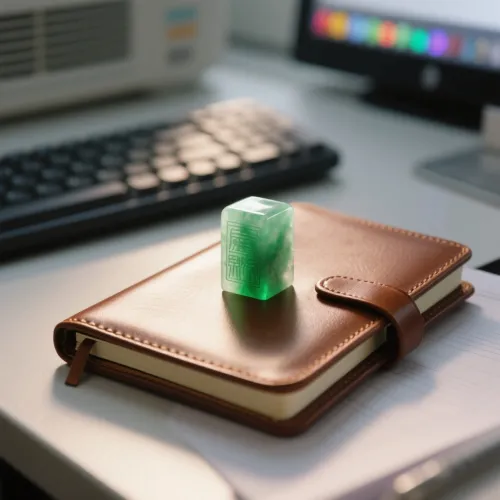
This section trains your eye and hands to notice what auction photos miss. Picture holding a cabochon near a café window while a jeweler points out light behavior you'd otherwise overlook.
True flawlessness shows uniform translucency when backlit—imagine sunlight passing through an ice cube. Dense fractures create "sleepy" patches that block light diffusion. Practically:
Jade's thermal conductivity offers clues synthetic materials can't replicate. A genuine piece remains cooler than room temperature longer when held. Tapping produces a resonant chime rather than a plastic-like thud. These physical traits matter because treatments often improve appearance while undermining structural integrity:
Treatments modify stones—dyes fill surface cracks while polymers add artificial gloss. These "enhancements" backfire over time as fillers yellow or flake, creating new flaws invisible initially.
This explains why artisans never guarantee perfection before polishing begins. The transformation from rough rock to gleaming dome involves high-stakes decisions affecting rarity.
Surface-grinding can unveil sub-surface fractures invisible in raw stone. A vendor once explained how one millimeter of polish depth changed a "flawless" piece into a discounted stone with exposed crystal clusters. This happens because:
Master cutters handle jade differently than other gems—they assess cleavage planes to avoid fractures, control heat to prevent "cooking" color, and prioritize shape integrity over maximum weight retention. As a casual gem show attendee might observe: Top artisans work slower, preserving what nature took millennia to create.
This shifts focus from impossible standards to meaningful quality. When auction listings promise flawlessness, they're often selling fantasy.
Characteristic inclusions verify natural origin and create unique identity—the geological equivalent of fingerprints. Dealers note:
Provenance and integrity matter more than alleged perfection. New Guatemala sources may show brighter greens, but Myanmar jadeite often preserves structural cohesion better over centuries. Practical stability markers:
As you close this tab or consider your next gem encounter, file these essentials away: Natural perfection in jade requires near-impossible geological luck. Flawless claims merit geological skepticism. Instead, seek integrity—color consistency over spotlessness, provenance over promises. Notice translucency patterns in daylight; listen for resonance when tapping surfaces; appreciate coolness that lingers. Authentic beauty often carries the subtle signatures of time and pressure.
Q: What causes subtle imperfections in jade cabochons?
A: Most stem from mineral intrusions during high-pressure formation or microscopic fractures exposed during polishing. These may appear as veining, cloudiness under light, or subtle texture variations visible upon close inspection.
Q: Can lab-created jade achieve consistent flawlessness?
A: Synthetic options can demonstrate uniform clarity, but they often lack natural jade's thermal retention properties and light behavior. Reputable certification helps distinguish authentic specimens.
Q: Why do certain green cabochons command premium prices?
A: Chromium-rich jadeite tends to display vivid, stable greens with uniform saturation. However, color alone doesn't guarantee structural integrity—reliably valuable pieces combine rich color, translucency balance, and minimal structural weaknesses.


$
