Xinjiang nephrite holds profound historical significance as China's premier jade for over 7,000 years. This mineral symbolized imperial authority and spiritual purity, fueling Silk Road trade networks. Its exceptional toughness enabled artisans to create intricate carvings that defined Chinese artistic traditions, making it more than a gemstone—it was a cultural cornerstone.

Picture this: you're browsing an online marketplace and notice nephrite prices vary wildly for unlabeled qualities. Later, at a boutique, you hesitate over a "mutton fat" piece that looks different in person than online. Moments like these reveal how easily hidden details in jade can confuse even curious buyers. That’s exactly why we’ve distilled centuries of nephrite heritage into this clear checklist—to help you spot what truly matters in minutes, not months of research.
This section anchors nephrite's value in objective historical impact. Understanding its cultural weight transforms how you perceive modern pieces.
Imperial workshops favored Xinjiang nephrite for its unmatched carving potential. Thanks to a 6.0-6.5 Mohs toughness rating and fibrous structure, artisans could achieve astonishing details in ritual objects that remained intact through dynasties. Historical records reveal Zhou Dynasty nobles traded land for nephrite seals, cementing its status as power currency.
Relatable scenarios highlight assessment techniques even newcomers can apply.
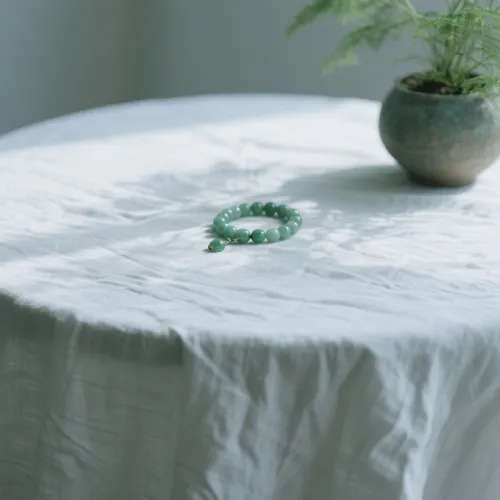
Imagine picking up a bracelet advertised as high-grade nephrite. Rotate it under light: authentic pieces rarely shine like glass but exhibit soft, oily glow. Notice these subtle tells:
A friend once mistook dyed quartz for jade until noticing unnatural bubble clusters under magnification—a reminder to carry a small loupe when evaluating.
Natural forces that shaped nephrite explain its enduring appeal and scarcity.
Picture tectonic plates colliding over millennia, generating immense pressure that transformed basic minerals into nephrite’s fibrous crystals. This metamorphic process concentrated deposits along Xinjiang’s riverbeds, where ancient miners detected surface clues like:
Modern buying cues rooted in historical precedent.
When inspecting pieces, prioritize traits imperial carvers valued:
Store nephrite separately to prevent scratches—its moderate hardness requires protection from harder gemstones. Gentle cleaning maintains protective oils that accumulate through handling, as emperors' heirlooms demonstrate.
Before your next jade encounter:
Q: What distinguishes nephrite from jadeite?
A: Nephrite's fibrous structure gives greater toughness, while jadeite typically shows more vivid colors and higher transparency. The former was historically preferred in China.
Q: Is authentic Xinjiang nephrite still available?
A: Yes, though quality varies widely. Geological surveys suggest deposits may yield smaller stones today than ancient finds.
Q: How should you clean nephrite jewelry?
A: Soft damp cloths preserve surface oils. Avoid ultrasonic cleaners—temperature shock can impact integrity.


$
