Across many cultures – especially in East Asia and Mesoamerica – jade serves as a historical symbol of good fortune tied to spiritual traditions. But rather than measurable scientific effects, this perceived luck stems from cultural belief systems. Understanding its geological composition and regional symbolism helps navigate its significance without mystical interpretations.
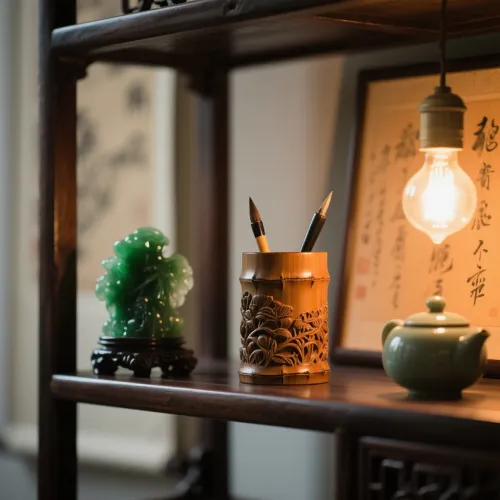
Picture opening a velvet box containing your grandmother's jade pendant. As you trace its cool surface, you hesitate – could wearing it "incorrectly" disrespect generations of tradition? Or imagine scrolling through online marketplaces, paralyzed by two jade carvings: one emerald-green, the other pale lavender. Which truly signals prosperity for your friend's wedding gift? Even office customs become puzzles when colleagues display jade money toads at their desks. Rather than drowning in scattered folklore, we'll focus verifiable aspects through six practical lenses. This structured approach converts cultural complexity into actionable awareness for gift-givers, heirloom keepers, and curious observers alike.
Understanding jade's luck associations starts by recognizing them as cultural narratives, not universal truths. This perspective helps avoid misinterpretations when handling heirlooms or selecting gifts.
Chinese traditions link jade to virtues like wisdom and protection against misfortune, while Mesoamerican cultures historically used it in fertility ceremonies. The coveted "Imperial Jade" – translucent emerald jadeite – adorned royal Chinese ornaments precisely because its color symbolized harmony and prosperity. Notice how symbolism shifts across regions: spinach-green nephrite holds ceremonial importance in Māori taonga designs, while some Southeast Asian cultures associate lavender hues with spiritual connection.
When your colleague displays a jade money toad desk ornament, they're participating in a Cantonese business tradition believed to attract wealth. Similarly:
Seeing past symbolism requires geological literacy. Knowing how jade forms and varies equips you to evaluate pieces beyond mystical claims.
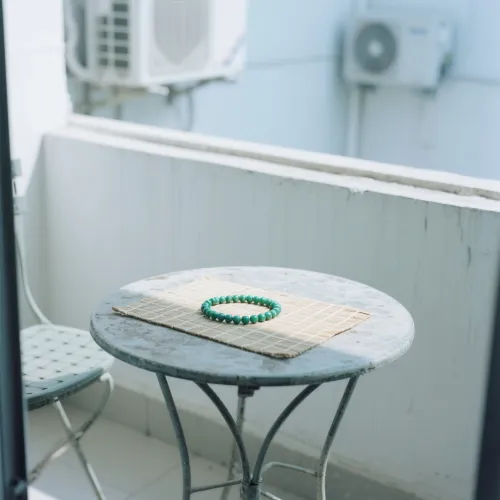
Despite sharing a name, nephrite and jadeite have distinct properties. Jadeite (ranking 6.5-7 on the Mohs scale) forms in high-pressure metamorphic environments near tectonic plate boundaries, creating rarer, more brilliant greens like Myanmar's famed deposits. Nephrite (6-6.5 Mohs) constitutes most ancient Chinese carvings and Canadian/Russian deposits, valued for its exceptional toughness - a property enabling its historical use in tools and weapons.
A stone's origin story informs care decisions:
Unboxing dull-looking jade? Authenticity worries overshadow luck questions. These observation techniques build tangible confidence.
Real jade reveals itself through physics, not magic. Conduct these quick home examinations:
A rotating piece reveals authenticity nuances: inconsistent dye application creates abrupt color zoning in counterfeits. Quality craftsmanship manifests in sharp carving edges since jade requires specialized tools. The surface luster matters too – superior polished nephrite exhibits a waxy glow while high-grade jadeite leans toward glassy brilliance.
Selection isn't about chasing luck, but aligning choices with cultural significance and practical needs to avoid decision paralysis.
Matching tactics to context: For Māori cultural expressions, consider nephrite's historic significance in taonga designs rather than defaulting to Chinese imperial green stones. Daily-wear jewelry benefits from smooth cabochons avoiding intricate carvings where skin oils collect. When gift-giving, research region-specific symbolism - white jade symbolizes purity in some traditions but might convey different meanings elsewhere.
Two informed tactics deflate anxiety during purchases: For pieces beyond basic ornaments, request certificates from independent labs like GIA. When quality matters, notice pits or surface irregularities where residue may build up over time. Don't equate higher prices automatically with "luckier" stones - community retail shops often offer culturally authentic options comparable to high-gallery markups.
Modern jade appreciation blossoms when respecting traditions without conflating folklore with mineral science.
Broken jade doesn't automatically curse the owner - historically, it protected warriors by absorbing impacts. Surface luster deepening through skin contact? Common attribution to luck finds explanation through oils subtly filling microscopic pores over decades. Neither science nor geology rejects cultural meanings, but clarity prevents superstitions from obscuring jade's actual beauty and craftsmanship.
Global jade traditions often emphasized reverence over rapid cycles: Ancient Chinese households preserved pieces for generations, valuing resilience metaphorically and structurally. This contrasts modern "blood jade" concerns - ethically sourced heirlooms avoid problematic mining. Washing jewelry gently with lukewarm water respects both cultural reverence and mineral integrity.
Keep this condensed checklist handy during jade encounters:
Next time you open a jewelry box or browse online listings, pause. Recall that inherited pendant: instead of fretting over supposed "rules," consider asking relatives about its origin story. Examine that puzzling gift candidate under bright light - what temperature reactions or weight characteristics might settle your instincts? Technical awareness makes cultural appreciation richer.
Q: Why is green jade considered luckiest?
A: East Asian traditions historically linked vivid greens to prosperity mainly because rare Imperial Jade was royal. Science shows its rarity comes from trace chromium affecting coloration during million-year formations.
Q: Can white jade bring good fortune?
A: Depending on traditions - Māori culture associates it with purity and connection to Pounamu legends. Universal "fortune" lacks scientific basis though it carries deep cultural value.
Q: Does gifting jade transfer luck?
A: Traditional belief suggests goodwill transfers. Practically, authentic jade inherited or gifted maintains cultural resonance regardless of transaction timing or circumstance.
Q: How expensive should real jade be?
A: Naturally-formed jadeite commands higher premiums than nephrite due to formations. Both have validation methods like certifications yet pricing varies based on finish quality – not perceived luck value.


$
